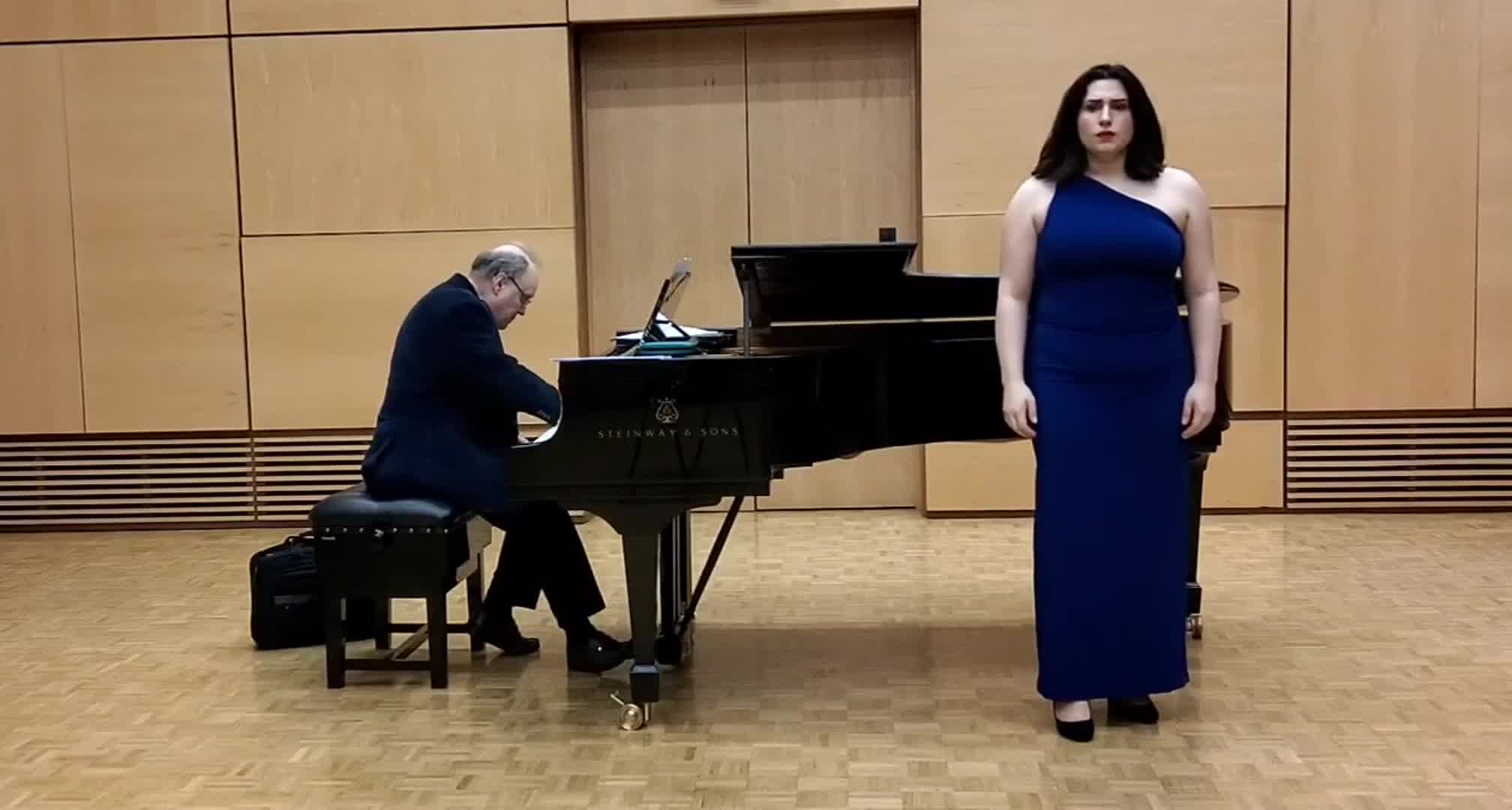
In Werther, “Va! laisse couler mes larmes” takes place in Act III as Charlotte reflects on her growing despair and inner conflict over her love for Werther. The title translates roughly as “Go, let my tears flow”, and in the aria Charlotte finally allows herself to give voice to the sorrow and emotional restraint she has carried throughout the opera. Torn between duty and passion, she recognises the depth of her feelings whilst remaining bound by loyalty to her husband and family.
The aria is filled with tenderness, melancholy and quiet anguish. Rather than dramatic outbursts, Massenet creates an atmosphere of intimacy and suppressed emotion, allowing Charlotte’s grief and longing to unfold with heartbreaking simplicity. Beneath the calm surface lies an overwhelming sense of emotional inevitability, as she realises the impossibility of escaping her love for Werther.
Within the wider opera, this moment marks a turning point in Charlotte’s emotional journey. Based on Goethe’s The Sorrows of Young Werther, the opera explores themes of forbidden love, sacrifice and despair. Charlotte’s aria reveals the emotional truth she has tried to conceal, foreshadowing the tragedy.

In Capuleti e Montecchi, “Se Romeo t’uccise un figlio” takes place near the beginning of the opera as Romeo attempts to persuade Capellio, Giulietta’s father, to end the feud between their families. The title translates roughly as “If Romeo killed your son”, with Romeo pleading for peace and reconciliation despite being blamed for the death of Capellio’s son. The aria is filled with restrained emotion, nobility and underlying desperation, as Romeo tries to prevent further violence whilst protecting his love for Giulietta.
The opera retells the story of Romeo and Juliet through Bellini’s intensely lyrical and tragic style, centring on themes of love, fate and family conflict. Throughout the work, the lovers struggle against a world shaped by hatred and revenge, making this aria an important turning point where hopes of peace begin to give way to the inevitability of tragedy.

In Carmen, “En vain pour éviter”, often known as the Card Aria, takes place in Act III as Carmen reads her fortune in a pack of cards alongside Frasquita and Mercédès. Whilst the other women foresee love and happiness, Carmen repeatedly draws the card of death. The title translates roughly as “In vain to avoid”, as Carmen realises that no matter what she does, she cannot escape the fate awaiting her.
The aria is one of the darkest and most haunting moments in the opera. Beneath the stillness of the music lies an overwhelming sense of inevitability, as Carmen confronts her destiny with a mixture of fear, defiance and acceptance. Unlike earlier moments in the opera where she appears carefree and seductive, here she is suddenly vulnerable, aware that both she and Don José are moving towards tragedy.
Within the wider plot, the Card Aria marks a crucial turning point in the drama, foreshadowing Carmen’s death at the opera’s conclusion. It transforms fate into an unavoidable presence throughout the remainder of the work, deepening the opera’s themes of freedom, obsession and the destructive power of love.